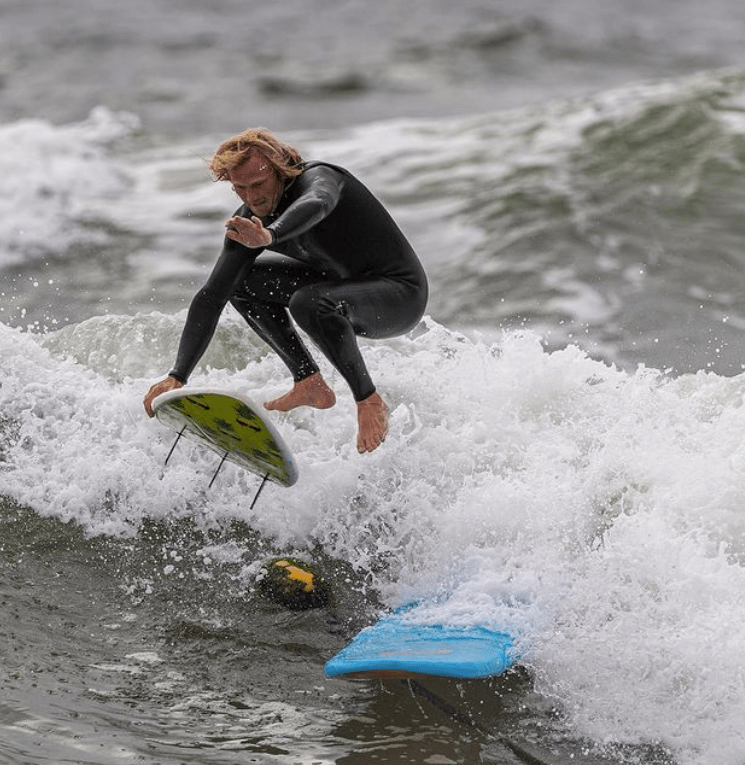

“Surf Vlog” feels like a controversial phrase. And honestly, it kind of makes me cringe. It’s just so… not cool. Vlogs were for YouTubers to talk about their days, give movie reviews, try all 17 flavors of Pringles chips. It wasn’t something for our favorite surfers to take up (or stoop down to).
Today, there are seemingly countless independent surf vlogs online, ranging from some of the most famous pros to local legends and all the kooks in between. And while the narcissistic and exhibitionist aspect of filming oneself on a weekly (or even daily) basis seems to go against everything surfing stood for, it’s impossible to deny the positive impact that it has had up and down the surfing community.
With my old age (24), I’ve become admittedly hesitant to accept technological change. Why can’t we go back to the good old days of a laminated paper magazine with Ry Craike on the cover standing in some West Australian cavern? Why must I shamefully click on this all-caps-titled, clickbait ass, thumbnail of the Smith brothers getting DESTROYED IN HAWAIIAN SHOREBREAK? Of course I click on the link. I always do. But sometimes I just miss the elegance and timelessness of flipping through a surf magazine while laying on my back in bed.
Whether we like it or not, technology and culture (often shaped by technology), is fluid and ever changing, and in order to stay relevant in this world, we must be equally dynamic. Printed surf magazines are essentially dead. Of course Surfing Magazine and The Surfers Journal still desperately fight to remain afloat, but surf magazines used to be everywhere. And I mean everywhere. Alongside toilets, on coffee tables, stacked on bookshelves, in airport kiosks, tucked behind the seats of cars, crammed in backpacks… I remember reading a Surfer Magazine in the waiting room of my dentist’s office. Today, every bit of secondhand wave-riding stimulation we need can be found on the internet.
But for most surfers, these magazines were a livelihood. Full-spread ads would cover rent for a few months. A cover-shot even longer. Sponsors were inclined to support surfers because their stickers, locked in time on a page, determined what was cool and what I would be asking for for Christmas. Without magazines, many contracts were terminated and sponsorships lost. Surfers rallied to social media, where a relentless grind to produce 1-minute edits ensued. Sponsors formed deals based on comments, views, and likes. The frozen-in-time image was replaced by something arguable more engaging, but highly less monetizing.
Surfing needed vlogs. The post surf magazine slump hit the industry like a brick while the relentless demands of social media emphasized quantity over quality. We needed a new way to harness the actual joys of surfing outside the instagram square. I have some friends who might kill me for saying this, but it’s arguable that Ben Gravy is surfing’s savior.
As a pioneer in surf vlogging, Ben took the internet by storm. His infinite storage of stoke alongside his underground plethora of east coast gems made him an instant hit. He is the king of novelty waves and honestly the face of amateur, above average, but not too above average, surfing. Although Jamie O’brien and Red Bull had teamed together to produce a YouTube series along a similar timeline, Ben Gravy normalized surfing vlogs for the everyday person by emphasizing the day-to-day struggles and triumphs of searching for above par waves.
I don’t mean to say that surf vlogs would not exist without Ben, but he took them to the main stream and proved to everyone that this was a path worth taking seriously and that it is something to make a career out of.
Today, my YouTube homepage is filled with content produced by Mason Ho, Koa Rothman, Nathan Florence, Ben Gravy (what?), and Alana Blachard. Not only do I get to watch these people rip (for more than 1-minute at a time), but I also become intimate with them in a way that was never possible before. After following a surfer for more than a few months on YouTube, you get insights into their personality that were never really possible with magazines and instagram. You start to see these world-famous surfers as more than just surfers, but as human beings too.
While this is obviously engaging for the consumer, it is equally (if not more) beneficial to the surfers too. For the first time in the history of surfing, surfers have the ability to create a brand around themselves without relying on the financial crutch (and often inhibitor) of a sponsorship. More and more surfers are expressing themselves both on and off of waves in ways that keep people like us, watching and wanting more. The decline of the surf magazine was tragic, but perhaps this vlogging revolution is doing more good than harm.
The future of surfing is stronger than ever because vlogs provide surfers with the opportunity to create their own authentic narratives without being at the mercy of sponsorships and instagram clips.


 BAMBOOBLISTER
Leave a comment